If you are an athlete, marathon runner, gym-goer, or simply someone dealing with muscle tightness, you may have wondered whether sports massage or deep tissue massage is the better option. Although both use hands-on techniques to work with muscles and soft tissues, they are not designed for exactly the same purpose.
The right choice depends on your activity level, symptoms, recovery goals, and overall health. Sports massage is commonly associated with athletes and exercise recovery, while deep tissue massage generally uses slower, more focused pressure to address areas of muscular tension. Neither is automatically better than the other.
What Is Sports Massage?
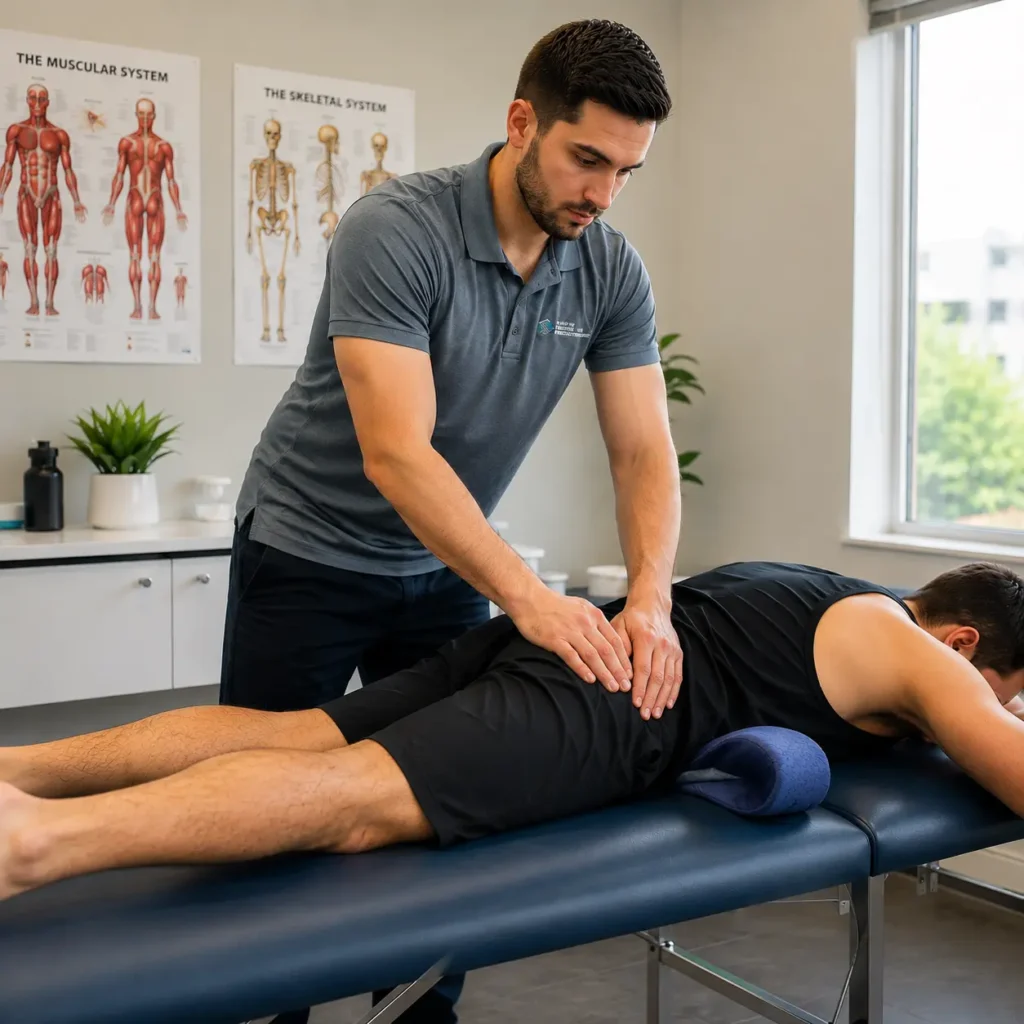
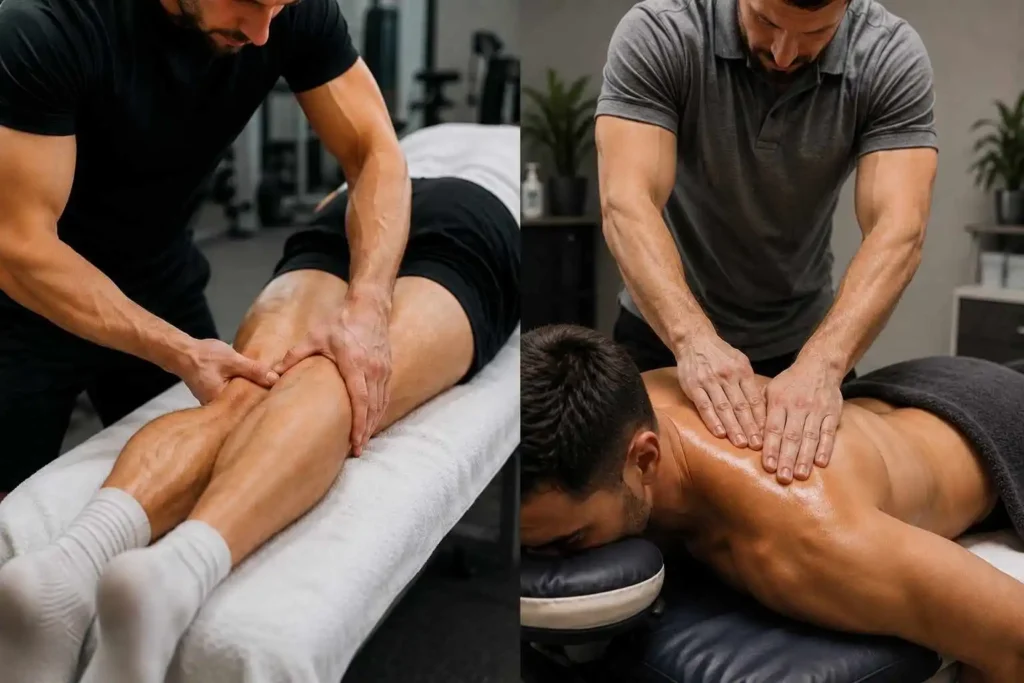
Sports massage is a type of massage commonly used by athletes and physically active people. It can be incorporated into a broader sports recovery or rehabilitation program and may be adapted according to an individual’s sport, training schedule, and physical demands.
Sports massage may be considered:
- Before or after intense physical activity
- Following demanding training sessions
- During sports rehabilitation
- After long-distance running
- When dealing with exercise-related muscle soreness or tightness
The techniques and pressure can vary depending on the purpose of the session. For example, an athlete preparing for an event may have different needs from someone recovering after a demanding training session.
Sports massage should not be viewed as a guarantee against sports injuries. Injury prevention also depends on appropriate training, strength, mobility, recovery, technique, and workload management.
What Is Deep Tissue Massage?
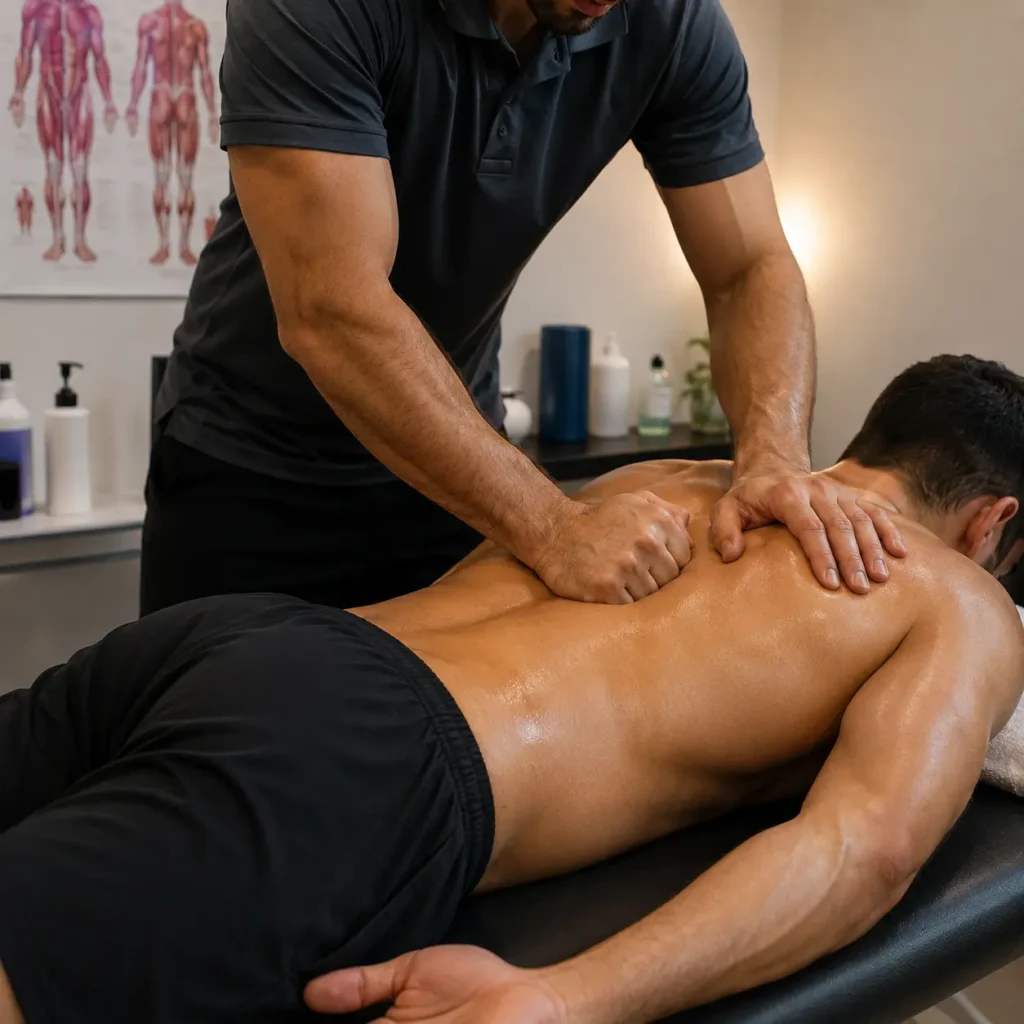
Deep tissue massage generally involves slower, more focused pressure directed toward deeper layers of muscle and connective tissue. It may be considered for people experiencing persistent areas of muscular tension or tightness.
The term “deep” does not mean that the massage needs to be painful. More pressure is not automatically better. The intensity should be appropriate for the person’s condition and tolerance.
Deep Tissue Massage Therapy may be considered when muscular tension is associated with factors such as repetitive activities, prolonged postures, or physically demanding work.
However, persistent pain should not automatically be assumed to be a muscular problem. If symptoms continue or are accompanied by other concerning signs, a physiotherapy assessment may be more appropriate.
Sports Massage vs Deep Tissue Massage: Key Differences
| Factor | Sports Massage | Deep Tissue Massage |
| Primary purpose | Sports preparation, recovery and muscle care | Addressing areas of muscular tension |
| Typical audience | Athletes and active individuals | People with persistent muscular tightness |
| Pressure | Can vary according to the purpose | Often slower and more focused |
| Timing | May be used around training and competition | Usually planned according to individual symptoms |
| Treatment focus | Sport-specific muscles and movement demands | Areas of muscular tension |
| Best suited for | Sports recovery and active lifestyles | Localized or persistent muscular tightness |
These are general differences rather than strict rules. A physiotherapist or trained practitioner may use overlapping techniques depending on the individual’s needs.
Sports Massage vs Deep Tissue Massage: Which One Should You Choose?
The best option depends on what you want to achieve.
Sports Massage May Be Suitable If:
- You regularly participate in sports.
- You are preparing for a marathon or competition.
- You experience muscle soreness after training.
- You want recovery-focused massage.
- You experience sport-specific muscle tightness.
- You are following a structured sports rehabilitation program.
For athletes, massage can be one component of a broader recovery strategy that includes exercise, mobility, strengthening and appropriate rest.
Deep Tissue Massage May Be Considered If:
- You experience persistent muscle tightness.
- You have localized muscular tension.
- Your symptoms are associated with prolonged posture or repetitive activity.
- A physiotherapist recommends deeper manual techniques as part of your treatment.
If you have significant, persistent, or unexplained pain, it is better to have the underlying problem assessed rather than choosing a massage solely based on how much pressure it provides.
Can Massage Help With Sports Injury Recovery?
Massage may sometimes be incorporated into sports injury recovery, but its role depends on the type and stage of the injury.
A rehabilitation program may combine appropriate hands-on techniques with:
- Strengthening exercises
- Mobility training
- Flexibility work
- Movement retraining
- Sport-specific exercises
- Gradual return-to-activity programs
Acute injuries, significant swelling, or severe pain should be assessed before receiving aggressive massage. Applying excessive pressure directly over an acute injury may not be appropriate.
The objective should be to support recovery rather than simply provide temporary relief.
Sports Massage for Marathon Runners and Athletes
Marathon runners and athletes place significant demands on their muscles and joints. Long training sessions, changes in training load, and repetitive movement can contribute to muscle soreness and tightness.
Sports Massage may be considered as part of a structured recovery plan for active individuals. Depending on the athlete’s needs, massage may be incorporated around:
- Long-distance training
- Competition preparation
- Recovery sessions
- Sports rehabilitation
- Periods of increased training load
However, massage should work alongside, not replace, appropriate strength training, mobility work, sleep, nutrition, hydration and training management.
Testimonial from Dr. Prachi ELEMENTA Physiotherapy Centre
From Knee Pain to a Pain-Free 21km Marathon Finish
I had come to Dr Prachi with a painful knee problem. I had an uphill marathon coming up of 21km which wouldn’t have been possible to run without the help of Dr Prachi. She had a complete knowledge of the problem and guided me with the perfect solution and the right exercises which made me possible to run. Just a few sessions with her and i was totally pain free and was able to complete my uphill half marathon without any pain. So to all those athletes and runners out there, if you’re going through any problem related to your joints or your body pains, Dr Prachi will solve it. And also, they’re really adjustable with the timings of the clients which makes us very comfortable to work with.
Jay Rita - Marathoner
When Should You See a Physiotherapist Instead of Getting a Massage?
Massage may not be the right first step if your symptoms suggest an injury or another underlying condition. Consider a physiotherapy assessment if you experience:
- Persistent or worsening pain
- Significant swelling
- A recent major injury
- Loss of strength
- Difficulty walking or using a joint
- Numbness or tingling
- Pain following surgery
- Repeated or recurring injuries
A physiotherapist can assess movement, strength, mobility and function to help determine what may be contributing to your symptoms and whether massage is appropriate.
Why Choose Dr. Prachi ELEMENTA Physiotherapy Centre?
At Dr. Prachi ELEMENTA Physiotherapy Centre in Mumbai, treatment is based on individual assessment rather than a one-size-fits-all approach.
Dr. Prachi Shah has 18+ years of physiotherapy experience, with expertise in Sports Physiotherapy, Sports Rehabilitation, Aquatic Therapy, exercise-based rehabilitation, and injury prevention.
For athletes and active individuals, a personalized approach can help connect hands-on treatment with appropriate rehabilitation, strengthening, and movement strategies.
The focus is not simply on treating muscle tightness but on understanding the individual’s condition, activity requirements, and recovery goals.
Frequently Asked Questions
1. What is the difference between sports massage and deep tissue massage?
Sports massage is generally tailored toward athletes, active individuals, and sports-related recovery, while deep tissue massage uses slower, more focused pressure to address areas of muscular tension.
2. Is sports massage good for athletes?
It may be useful as part of a broader recovery and rehabilitation program, depending on the athlete’s individual needs.
3. Is deep tissue massage good for muscle tightness?
It may be considered for some types of persistent muscular tension. The appropriate pressure depends on the person’s condition and tolerance.
4. Which massage is better after a workout?
There is no universally better option. The appropriate approach depends on your training, symptoms, recovery needs and overall condition.
5. Is sports massage suitable for marathon runners?
Sports massage may be incorporated into a marathon runner’s recovery plan, alongside appropriate training, strength work, mobility and rest.
6. Can deep tissue massage help chronic muscle tension?
It may help some people with muscular tension, but persistent pain should be assessed to determine whether the symptoms are actually caused by muscle-related problems.
7. Can massage help sports injury recovery?
Massage may be included in rehabilitation for certain injuries, but the technique and timing should depend on the injury and stage of recovery.
8. How often should I get a sports massage?
There is no standard frequency for everyone. It depends on your training volume, recovery needs, symptoms, and overall rehabilitation plan.
9. When should I see a physiotherapist instead of getting a massage?
See a physiotherapist when pain is persistent, worsening, associated with weakness, swelling, numbness, difficulty moving, or follows a significant joint injury or surgery.
Ready to Choose the Right Recovery Path?
Sports Massage and Deep Tissue Massage can both have a role in managing muscular tightness and supporting recovery, but they are not interchangeable in every situation. Sports massage is generally more closely associated with athletes and active individuals, while deep tissue techniques may be considered for specific areas of muscular tension.
The most appropriate approach depends on your symptoms, activity level, injury status, and recovery goals. If you are unsure which treatment is right for you, a professional assessment can help determine the safest and most appropriate approach.
Book an appointment with Dr. Prachi Shah at Dr. Prachi ELEMENTA Physiotherapy Centre to discuss your recovery, muscle tightness, or sports rehabilitation needs.