Being flexible does not always mean that you can move efficiently. You may be able to stretch a muscle well but still struggle to perform a controlled squat, rotate your body, or maintain balance during exercise.
Modern lifestyles, prolonged sitting, and repetitive activities can contribute to stiffness and restricted movement. Athletes can also develop mobility limitations because of repetitive training, previous injuries, or sport-specific demands.
Mobility training focuses on helping joints move through an appropriate range of motion while maintaining strength and control. Better movement quality can support exercise performance, rehabilitation and injury prevention. However, mobility training cannot guarantee that an injury will never occur because injury risk depends on several factors, including training load, technique, strength, recovery and previous injuries.
What Is Mobility Training?
Mobility refers to your ability to actively move a joint through an available range of motion with control. Mobility training combines joint movement, muscle flexibility, strength, stability and coordination.
For example, being able to move your ankle through a good range of motion while maintaining control is different from simply being able to stretch your calf muscle.
Mobility exercises may help improve how you move during everyday activities and exercise. The right exercises depend on your individual needs, sport, and physical condition.
Mobility vs Flexibility: What Is the Difference?
Mobility and flexibility are related, but they are not the same.
| Factor | Mobility | Flexibility |
| Meaning | Ability to actively move a joint with control | Ability of muscles and soft tissues to lengthen |
| Focus | Movement + control | Muscle length |
| Example | Controlled deep squat | Hamstring stretch |
| Importance | Functional movement | Tissue range |
Both can be useful. Improving flexibility alone does not necessarily improve movement control, while mobility training often incorporates flexibility together with strength and coordination.
Why Does Mobility Matter for Injury Prevention?
Restricted or poorly controlled movement can sometimes influence how the body distributes movement between different joints and muscles. This may contribute to compensatory movement patterns during exercise.
Good mobility supports technique, balance, and functional movement from everyday tasks to sport-specific performance, including efficient exercise mechanics and appropriate joint movement during sport.
For example, limited ankle mobility may affect how someone performs a squat or lands after a jump. Limited hip mobility may also influence running, lunging or lower-body exercises.
However, injury prevention is multifactorial. Training volume, technique, strength, recovery, sleep, previous injuries and other individual factors can all influence injury risk.
Testimonial from Dr. Prachi ELEMENTA Physiotherapy Centre
Dr. Prachi’s alignment corrections and holistic physiotherapy have kept me injury-free and performing at my best whether in the gym or on my bike.
Kalyani Capadia - Fitness Professional & Dirt Biker
Read more client stories →6 Areas Where Mobility Matters Most
1. Ankle Mobility – Important for walking, running, squatting, jumping, and landing. Adequate movement at the ankle can help you perform these activities with appropriate mechanics.
2. Hip Mobility – Hip mobility contributes to running, squatting, lunging, and many sports movements. Good hip movement combined with strength and stability can support efficient lower-body movement.
3. Thoracic Spine Mobility – The thoracic spine, or upper and middle portion of the spine, contributes to rotation and upper-body movement. Mobility in this area can be useful for activities involving rotation, overhead movements, and sports.
4. Shoulder Mobility – Shoulder mobility is important for swimming, throwing, weight training, and overhead activities. Appropriate mobility should be combined with strength and shoulder control.
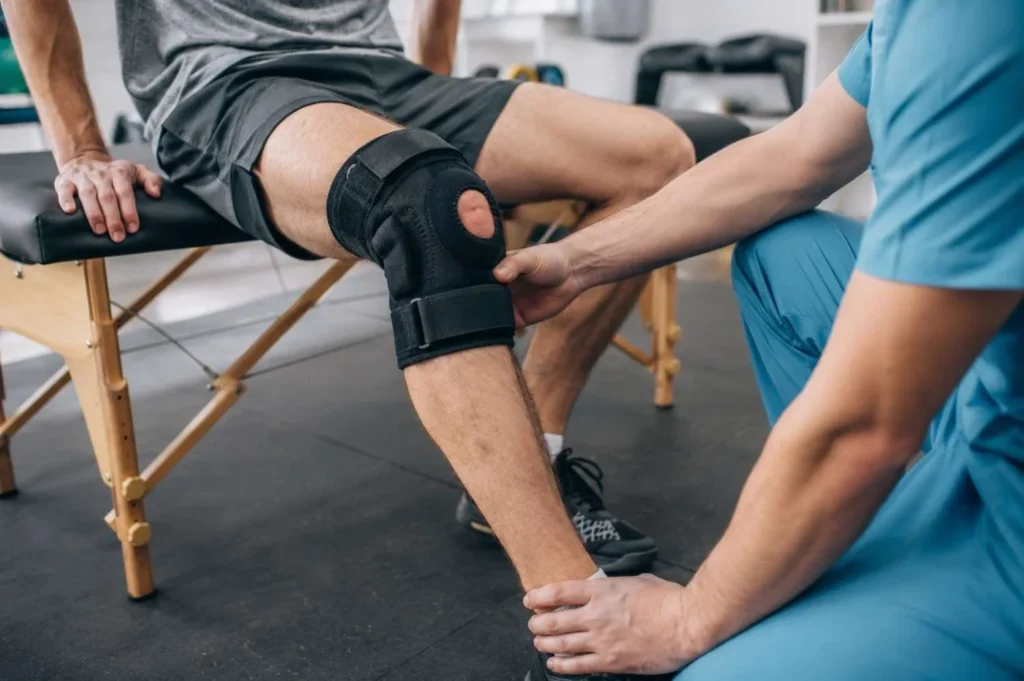
5. Knee Movement – The knee requires an appropriate combination of mobility, strength, and stability. Mobility limitations elsewhere in the lower limb can also influence movement patterns during activities such as running and squatting.
6. Spinal Mobility – The spine needs controlled movement for many everyday activities and exercises. Mobility work should focus on comfortable, controlled movement rather than forcing the spine into extreme positions.
Mobility Training for Runners
Running involves repeated movement through the ankles, knees, hips, and trunk. For marathon runners and other athletes, mobility can be one part of a broader approach to maintaining efficient movement.
For runners, mobility work typically covers ankle and hip range, warm-up preparation, running mechanics, and recovery tailored to individual gait and training load.
For runners experiencing recurring injuries, a more detailed assessment may be useful. Gait Analysis can help evaluate running movement, while Foot Pressure Analysis or Pedobarography can provide information about pressure distribution and foot mechanics.
These assessments can complement Sports Physiotherapy and help guide an individualized rehabilitation or training program.
Signs You May Need Mobility Training
You may benefit from a mobility assessment if you notice:
- Stiffness or tightness – ankles, hips, shoulders, or after long sitting
- Restricted movement – can’t squat deep, rotate freely, or move symmetrically
- Performance drop – reduced output or recurring soreness
- Repeat injuries – same issue keeps resurfacing
These signs do not automatically indicate a medical condition. A physiotherapist can assess your movement and determine whether mobility, strength, stability, or another factor may be contributing to the problem.
How Physiotherapy Can Improve Mobility?
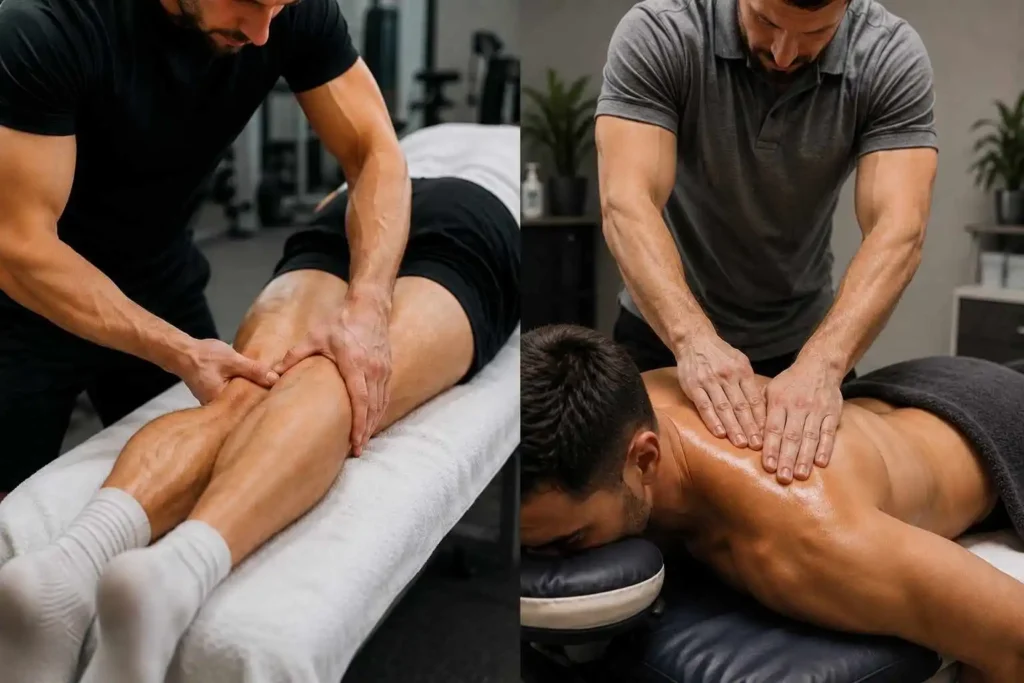
Physiotherapy for Mobility is not simply about giving you a list of stretches. A physiotherapist can assess:
- Joint range of motion
- Muscle strength
- Stability and control
- Posture
- Functional movement
- Sport-specific movement patterns
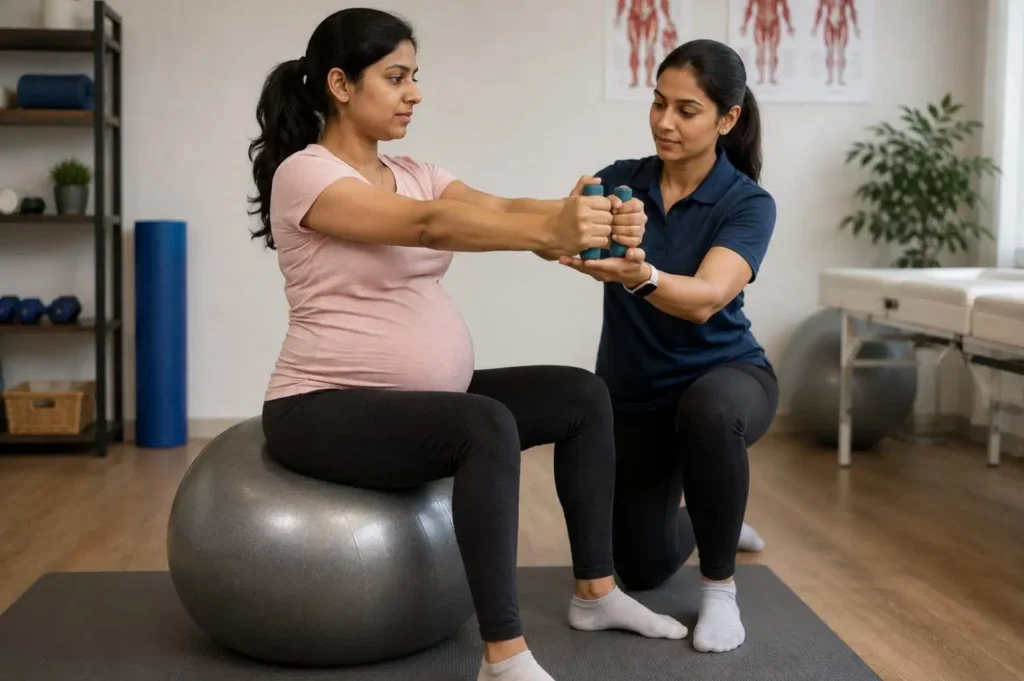
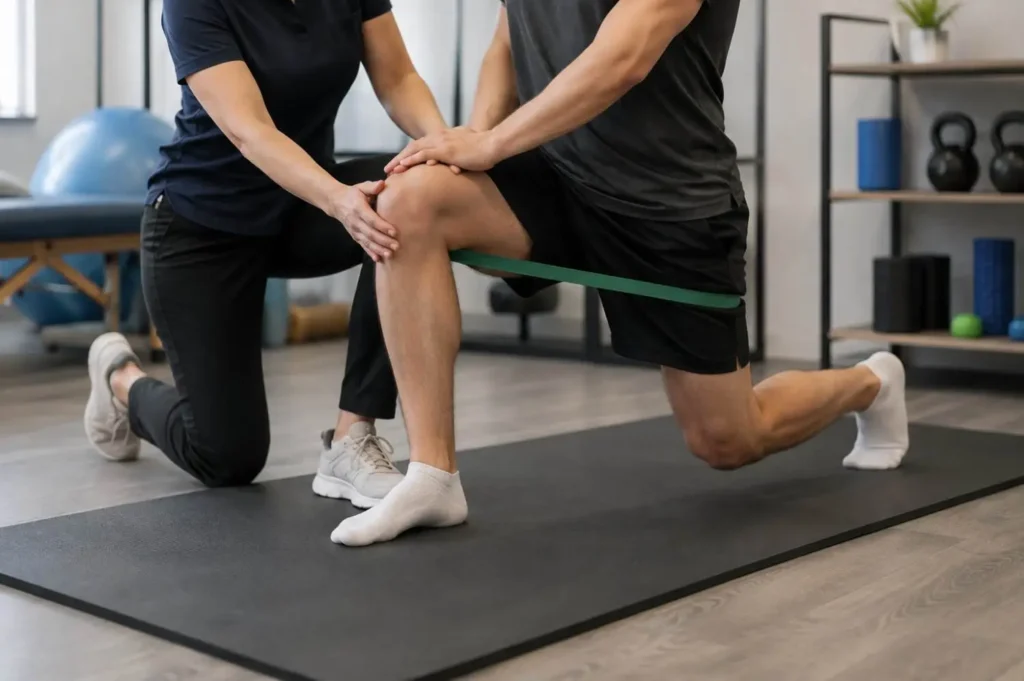
Based on the assessment, the program may combine mobility exercises with strengthening, balance training and movement retraining.
Mobility training can therefore become part of a broader Sports Rehabilitation or physiotherapy program rather than being treated as a standalone solution.
When Should You See a Physiotherapist?
Consider professional assessment if you have persistent stiffness, pain during movement, recurring injuries, or a sudden reduction in mobility.
You should also seek assessment if you experience:
- Weakness, swelling, or numbness/tingling
- Difficulty performing normal activities
- Reduced sports performance
- Movement problems following an injury
When mobility limitations are associated with pain or a recent injury, identifying the underlying issue is more important than simply trying to stretch the affected area.
Frequently Asked Questions
1. What is mobility training?
Mobility training involves exercises designed to improve a joint’s ability to move through an appropriate range of motion with strength and control.
2. What is the difference between mobility and flexibility?
Flexibility mainly refers to the ability of muscles and soft tissues to lengthen, while mobility involves actively moving a joint through its range with control.
3. How often should I do mobility exercises?
Frequency depends on your goals, physical condition, and training routine. A physiotherapist can recommend an appropriate schedule.
4. Is mobility training suitable for beginners?
Yes, mobility exercises can be adapted for beginners. The intensity and range of movement should match the individual’s ability.
5. Should mobility exercises be painful?
Mobility exercises should generally be performed within a comfortable range. Significant or worsening pain should be assessed rather than ignored.
6. When should I see a physiotherapist for stiffness?
Consider an assessment when stiffness persists, limits normal activities, affects sports performance, or occurs with pain, weakness, swelling, or other symptoms.