Surgery is often an important step towards treating an injury, managing a medical condition, or restoring physical function. However, the recovery process does not end when the procedure is completed. Many patients need structured rehabilitation to regain movement, rebuild strength, and return to their everyday activities. This is where post-surgery physiotherapy plays an important role.
Physiotherapy after surgery is designed to support the body’s recovery while helping patients safely work towards their functional goals. Depending on the procedure and the individual’s condition, rehabilitation may begin soon after surgery or at a later stage recommended by the surgeon. A personalised approach can help address movement limitations, muscle weakness, pain, and other challenges that may occur during recovery.
What Is Post-Surgery Physiotherapy?
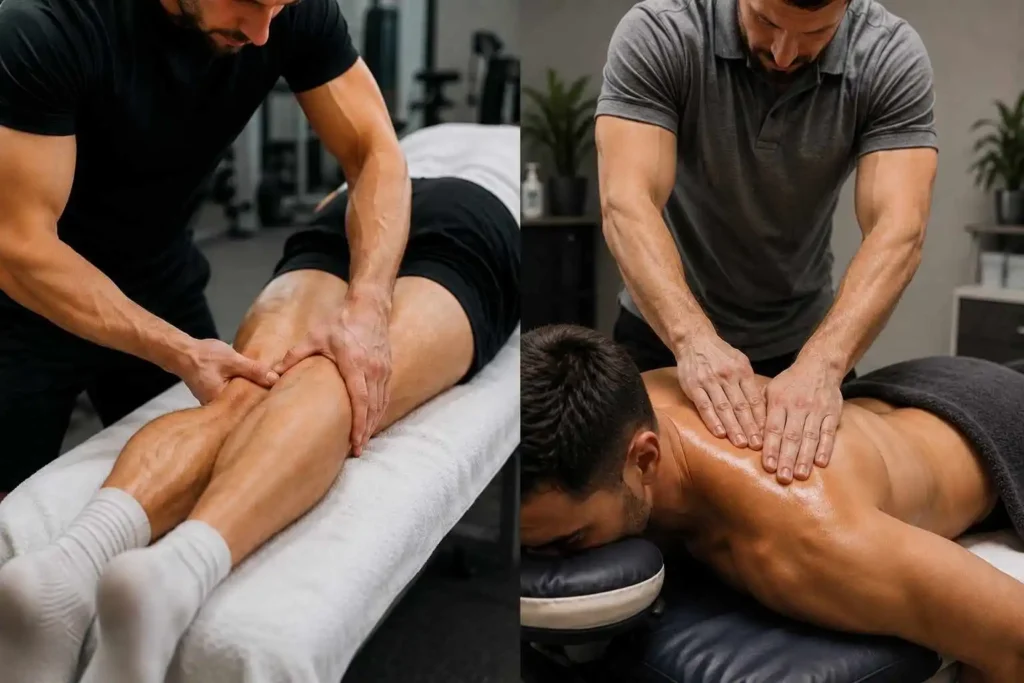
Post-surgery physiotherapy, also called post-operative rehabilitation, is a structured treatment programme designed to help patients recover physical function after an operation. It may include therapeutic exercises, mobility training, manual techniques, education, and guidance on safely performing daily activities.
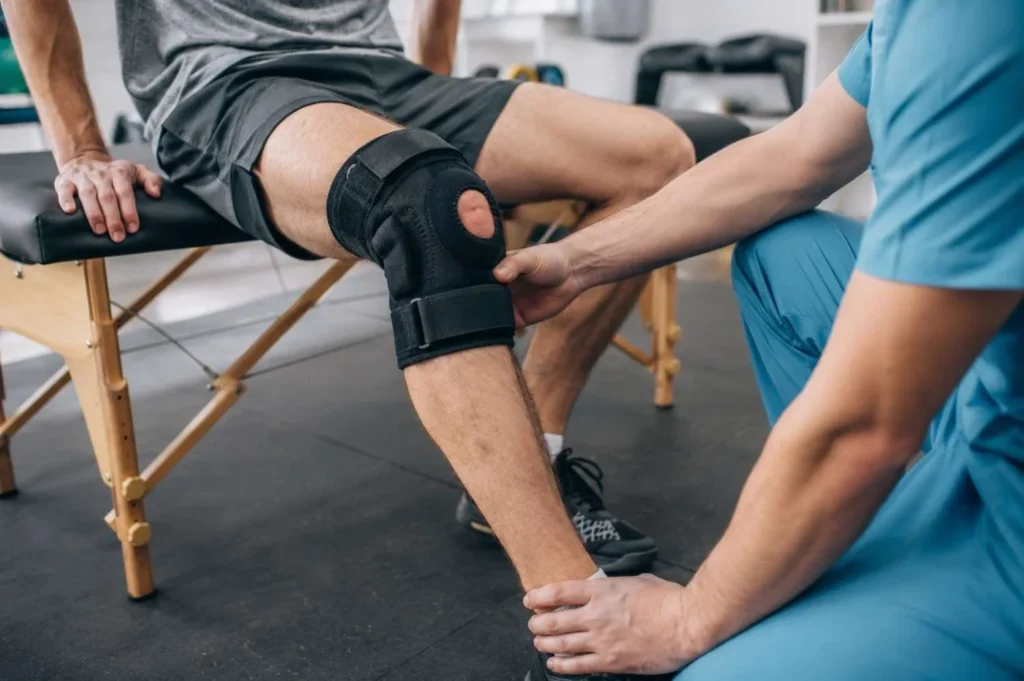
The rehabilitation programme depends on several factors, including the type of surgery, the tissues involved, the patient’s age and overall health, the stage of healing, and the surgeon’s precautions. For example, rehabilitation after a knee replacement will differ from rehabilitation following spinal surgery or shoulder surgery.
The physiotherapist works within the medical team’s recommendations to create a plan that supports healing without placing unnecessary stress on the operated area.
Why Is Physiotherapy After Surgery Important?
1. Helps Restore Mobility and Movement
After surgery, patients may experience restricted movement due to pain, swelling, muscle weakness, or protective movement patterns. Prolonged inactivity can also make everyday tasks more difficult.
A physiotherapist can introduce appropriate movement exercises and mobility training based on the patient’s recovery stage. These activities may help improve joint movement, walking ability, balance, and functional independence while following the surgeon’s instructions.
2. Supports Pain and Swelling Management
Pain and swelling are common during recovery, although their intensity and duration vary depending on the procedure and the individual. Physiotherapy may include positioning advice, gentle exercises, movement strategies, and other clinically appropriate techniques to help manage these symptoms.
The aim is not to push through severe pain but to encourage safe, gradual progress. Patients should report unusual, worsening, or persistent symptoms to their medical team.
3. Rebuilds Muscle Strength
Muscle weakness can develop after surgery because of reduced activity, immobilisation, or changes in how the body moves. Weakness may affect walking, balance, posture, and the ability to perform daily tasks.
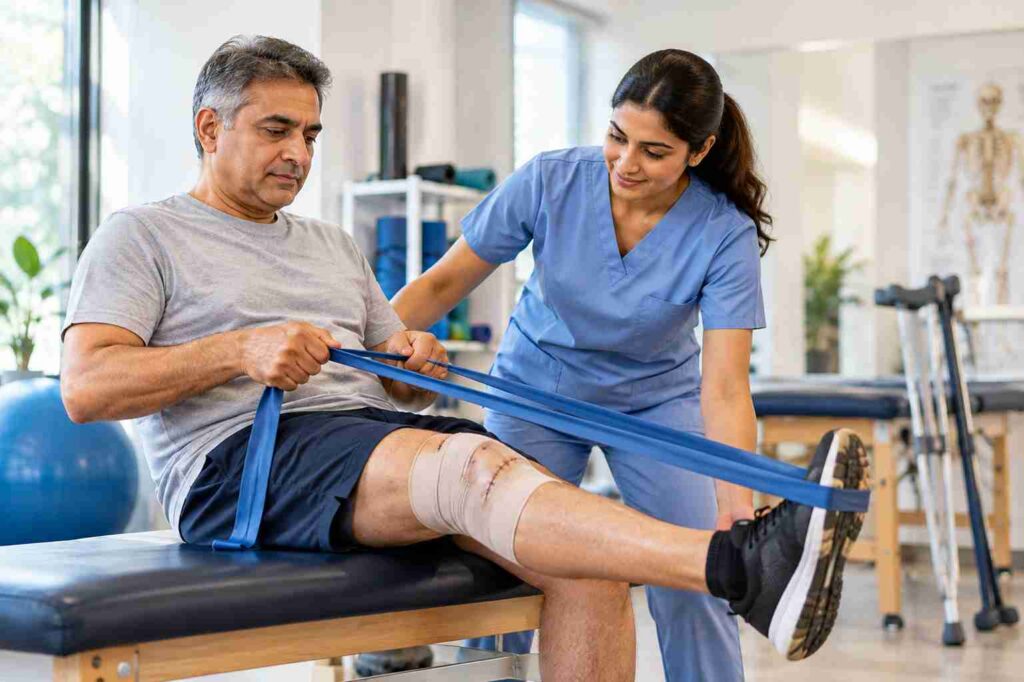
A physiotherapist may prescribe progressive strengthening exercises that match the patient’s healing stage. These exercises can help rebuild muscle control and support the operated area as the patient gradually resumes normal activities.
4. Helps Prevent Stiffness and Loss of Function
Limited movement after surgery may contribute to joint stiffness and reduced flexibility. In some cases, prolonged inactivity can make it harder to regain normal movement.
A suitable rehabilitation programme may include gentle range-of-motion exercises and functional movement activities to help maintain or improve mobility. However, the timing and extent of movement must always follow the surgeon’s instructions, particularly when tissues require protection during healing.
5. Supports a Safe Return to Daily Activities
Recovery is not only about reducing pain; it is also about regaining the ability to perform everyday activities. These may include getting out of bed, walking, climbing stairs, dressing, working, or participating in recreational activities.
Physiotherapy for recovery may include task-specific training, balance exercises, gait training, and advice on modifying activities temporarily. Progress is generally gradual and depends on the patient’s healing and functional goals.
Which Surgeries May Require Physiotherapy?
Several types of surgery may involve post-operative rehabilitation, depending on the patient’s needs and medical advice. These include:
- Knee replacement surgery – Rehabilitation may focus on knee movement, walking, strength, and functional activities.
- Hip replacement surgery – Physiotherapy may support mobility, balance, strength, and safe movement precautions.
- Ligament reconstruction – Rehabilitation may help restore movement, strength, stability, and sport-specific function when appropriate.
- Spinal surgery – A carefully planned programme may address mobility, posture, strength, and functional activities according to surgical precautions.
- Shoulder surgery – Rehabilitation may focus on restoring shoulder movement and strength while protecting healing tissues.
- Fracture related procedures – Physiotherapy may help patients regain movement, strength, balance, and weight-bearing function as permitted.
Not every patient requires the same rehabilitation programme. The type and intensity of physiotherapy should be determined according to the surgery and the treating medical team’s recommendations.
What Can Patients Expect During Rehabilitation?
The first physiotherapy assessment may include a review of the patient’s surgical history, symptoms, movement, strength, mobility, and functional limitations. The physiotherapist may also discuss the surgeon’s instructions, weight-bearing restrictions, precautions, and recovery goals.
Treatment may include:
- Gentle mobility and range-of-motion exercises
- Breathing or circulation exercises when clinically appropriate
- Strengthening exercises
- Walking and balance training
- Functional movement practice
- Education about posture, activity modification, and home exercises
As recovery progresses, the programme may be adjusted based on the patient’s response and functional improvements. Patients should follow the prescribed exercise plan and avoid introducing strenuous activities without professional guidance.
When Should Post-Surgery Physiotherapy Begin?
The appropriate time to begin physiotherapy varies. Some patients may benefit from rehabilitation soon after surgery, while others may need a period of protection or healing before certain exercises are introduced. The timing depends on the surgical procedure, the patient’s condition, and the surgeon’s instructions.
Patients should consult their surgeon and physiotherapist to understand when rehabilitation can begin and which movements or activities are appropriate at each stage.
Frequently Asked Questions
How soon after surgery can physiotherapy start?
Often within 24-72 hours post-op, depending on the surgery and your surgeon’s clearance. Some procedures need a longer protected healing period first.
Is post-surgery physiotherapy painful?
Some mild discomfort is normal while mobilising healing tissue, but sessions are not meant to push through severe pain.
What happens if I skip physiotherapy after surgery?
Recovery slows and the risk of stiffness, muscle weakness, and reduced mobility increases. Delays can also let scar tissue restrict movement.
How many physiotherapy sessions are needed after surgery?
Varies by procedure. Recovery generally moves through pain control, mobility, strengthening, then a gradual return to normal activity.
Can post-surgery physiotherapy be done at home?
Yes, home exercises are usually part of the plan alongside clinic sessions, once your physiotherapist confirms it is safe.
Your Recovery Starts With the Right Plan
Post-surgery physiotherapy is an important part of rehabilitation for many patients. By supporting mobility, strength, pain management, flexibility, and functional independence, it can help patients work towards a safer and more effective recovery.
At Dr. Prachi ELEMENTA Physiotherapy Centre, rehabilitation should be approached with an individualised plan that considers the patient’s surgery, recovery stage, and functional goals. Always follow your surgeon’s recommendations and work with a qualified physiotherapist to ensure that exercises and activities are appropriate for your condition.
Ready to plan your recovery? Book a consultation with our physiotherapy team and get a rehabilitation plan built around your surgery and goals.