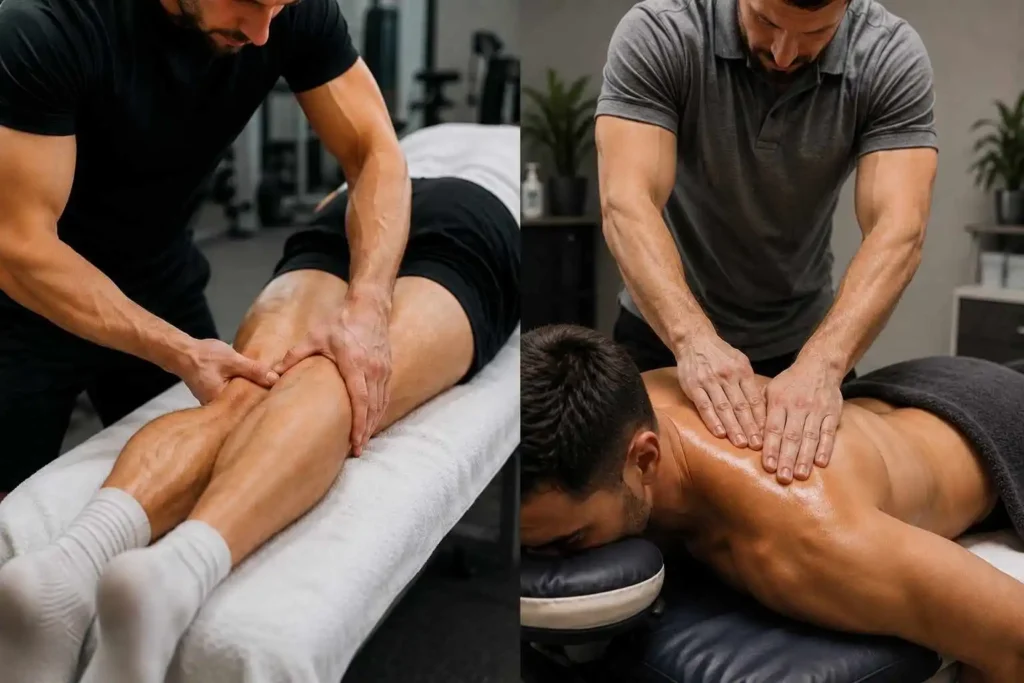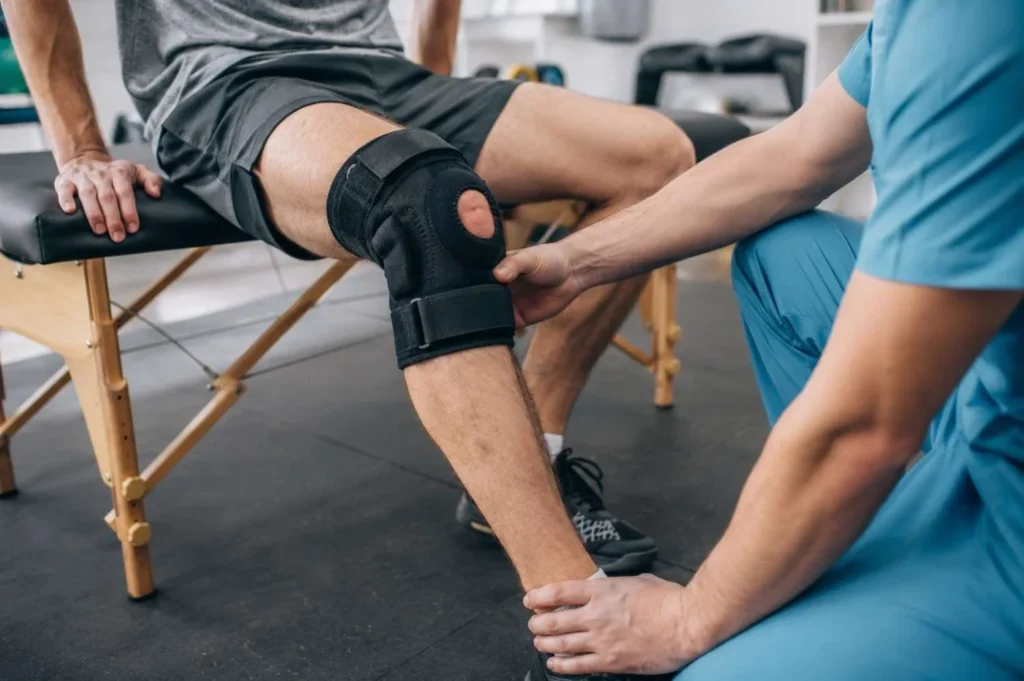
Ageing is a natural process, but changes such as reduced muscle strength, joint stiffness, slower balance reactions, and limited flexibility can affect everyday activities. Walking, climbing stairs, getting up from a chair, or maintaining balance may gradually become more challenging. These changes can also increase the risk of falls and reduce independence.
Physiotherapy for senior citizens focuses on helping older adults maintain movement, improve physical function, and manage age-related limitations. With a personalised exercise and rehabilitation plan, physiotherapy can support strength, balance, mobility, and confidence in daily activities.
Why Is Physiotherapy Important for Senior Citizens?
Senior citizen physiotherapy isn’t only useful after an injury or surgery it also helps older adults stay active and manage the physical changes that come with ageing. A physiotherapist can support seniors in maintaining or improving muscle strength, increasing joint flexibility and range of motion, and improving balance and coordination. It also helps develop safer walking patterns, manage stiffness and movement-related discomfort, recover after illness or surgery, and build the confidence needed to carry out daily activities with a reduced risk of falls. The goal throughout is a safe, practical movement routine built around the individual’s needs, health condition, and lifestyle.
How Physiotherapy Improves Strength?
Muscle weakness can affect posture, walking, stair climbing, and the ability to rise from a chair or bed. Strength training for seniors can help maintain functional muscle power when performed safely and progressively.
Depending on the individual’s condition, a physiotherapist may recommend exercises such as:
- Seated leg exercises – Help activate and strengthen the muscles around the thighs and knees.
- Sit-to-stand exercises – Improve lower-body strength needed for getting up from a chair.
- Supported squats – Strengthen the legs and hips while using a stable support.
- Heel raises – Help improve calf strength and support walking stability.
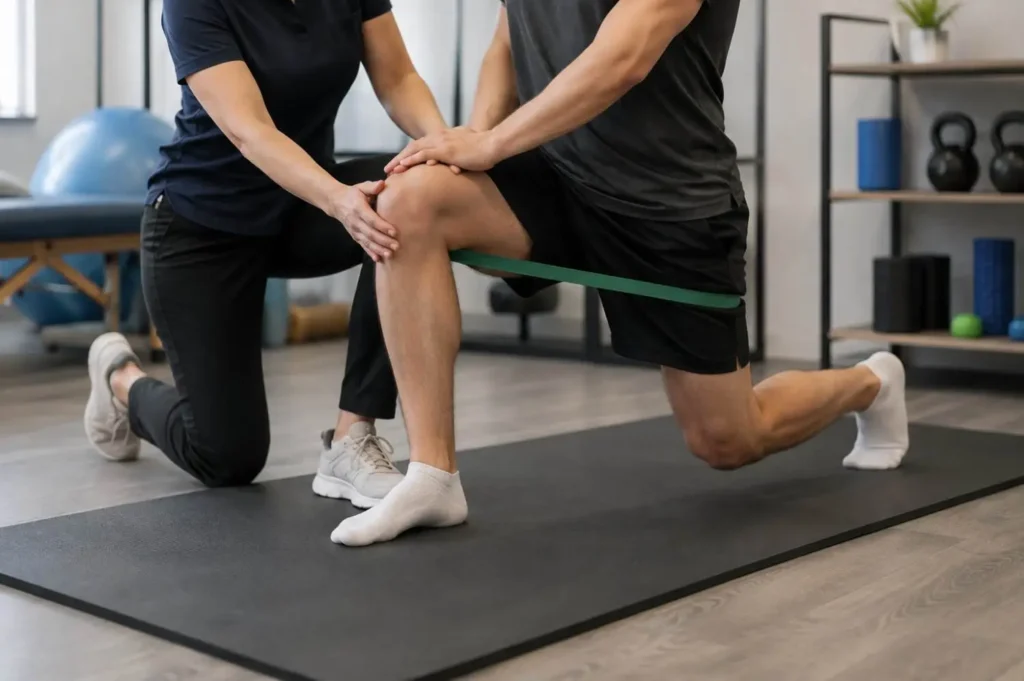
- Resistance-band exercises – Provide adjustable resistance for the arms, shoulders, legs, and back.
- Core strengthening movements – Support posture and trunk control.
Exercises should be selected according to the senior’s medical history, fitness level, pain, balance, and physical limitations. Some individuals may need supervision or modified movements.
Balance and Fall-Prevention Exercises
Balance may become less reliable with age due to muscle weakness, reduced joint mobility, vision changes, neurological conditions, or previous falls. Physiotherapy can help identify balance difficulties and develop a suitable fall-prevention programme.
Examples of balance exercises for older adults may include:
- Supported standing exercises
- Weight-shifting movements
- Heel-to-toe walking
- Single-leg balance with stable support
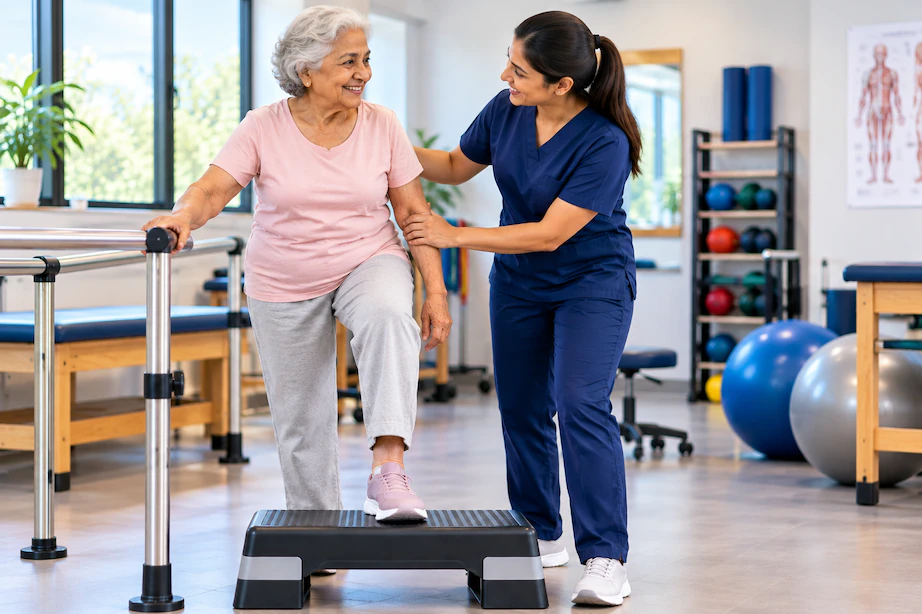
- Step-up exercises
- Coordination and direction-change activities
Balance exercises should be performed near a stable surface, such as a secure countertop or grab bar. Seniors with significant balance problems should exercise under professional supervision rather than attempting challenging movements alone.
Improving Mobility and Flexibility
Reduced mobility can make daily tasks more tiring and lead to further inactivity, so physiotherapy supports movement through gentle stretching, joint mobility exercises, walking practice, posture correction, and functional movement training. A physiotherapist may work on walking safely indoors and outdoors, turning and changing direction, moving from sitting to standing, getting in and out of bed, climbing or stepping down stairs, and improving shoulder, hip, knee, and ankle movement. These mobility exercises for elderly people are designed around practical, everyday movement rather than exercise performance alone.
Conditions That May Benefit from Senior Physiotherapy
Physiotherapy may be useful for senior citizens experiencing mobility or functional limitations related to:
- Arthritis
- Osteoporosis-related movement difficulties
- Parkinson’s disease
- Stroke recovery
- Joint replacement recovery
- Back or neck pain
- General muscle weakness
- Balance problems
- Reduced mobility after prolonged bed rest
Physiotherapy does not necessarily cure these conditions; it may help individuals improve movement, manage certain symptoms, build physical capacity, and perform daily activities more safely.
What Happens During a Physiotherapy Assessment?
Before recommending exercises, the physiotherapist typically assesses the senior’s walking pattern, balance and coordination, muscle strength, joint flexibility, posture, pain levels, functional movements, fall risk, and ability to perform daily activities. Based on these findings, they create a personalised treatment plan that includes supervised exercises, mobility training, balance activities, education, and a home exercise programme.
Safety Tips for Senior Citizens
Seniors should follow these precautions while exercising:
- Begin slowly and increase activity gradually.
- Use appropriate support when required.
- Wear comfortable, non-slip footwear.
- Avoid exercising through sharp or severe pain.
- Stay hydrated unless fluid restrictions have been advised.
- Follow the physiotherapist’s instructions carefully.
- Inform the healthcare professional about dizziness, chest pain, or unusual breathlessness.
- Seek urgent medical attention for sudden weakness, sudden loss of balance, chest pain, or other serious symptoms.
Supporting Safe, Independent Ageing Through Physiotherapy
Regular movement, suitable strengthening exercises, balance training, and professional guidance can help senior citizens maintain physical function and independence. If an older adult is experiencing weakness, stiffness, balance difficulties, or reduced mobility, consulting a qualified physiotherapist can be a useful first step toward creating a safe and personalised rehabilitation plan.
Take the first step toward safer, stronger movement: book a physiotherapy assessment at Dr. Prachi ELEMENTA Physiotherapy Centre today.
Frequently Asked Questions
1. Is physiotherapy safe for senior citizens?
Physiotherapy can be safe and beneficial for many older adults when exercises are selected according to their health, abilities, and medical history. Professional assessment is recommended before beginning a new exercise programme.
2. How often should older adults attend physiotherapy?
The frequency depends on the individual’s condition, goals, progress, and treatment plan. A physiotherapist can recommend a suitable schedule.
3. Can physiotherapy help prevent falls in elderly people?
Physiotherapy may help address fall-risk factors by improving strength, balance, walking ability, coordination, and confidence with movement.
4. What exercises are suitable for seniors with weak muscles?
Seated exercises, sit-to-stand movements, heel raises, resistance-band exercises, and supported strengthening activities may be suitable, depending on the person’s condition.
5. Can seniors with arthritis benefit from physiotherapy?
Yes, physiotherapy may help seniors with arthritis manage stiffness, improve joint movement, strengthen supporting muscles, and maintain daily function.