
What Is Aquatic Therapy? Benefits, Uses & Conditions
what-is-aquatic-therapy

What Is Aquatic Therapy? 10 Conditions That Improve Faster with Water-Based Rehabilitation

Living with pain can make even the simplest activities feel difficult. Whether it’s climbing stairs with knee pain, recovering after surgery, or dealing with arthritis, finding a treatment that is both effective and gentle can make all the difference.

This is where Aquatic Therapy comes in.

Also known as Aquatic Physiotherapy, Water Therapy, or Hydrotherapy, Aquatic Therapy uses the natural properties of water to help patients move comfortably, reduce pain, and recover faster.

At Dr. Prachi ELEMENTA Physiotherapy Centre, Mumbai, Dr. Prachi Shah and her team have been helping patients improve their mobility and quality of life through personalized rehabilitation programs for over 18 years.

What Is Aquatic Therapy?

what-is-aquatic-therapy

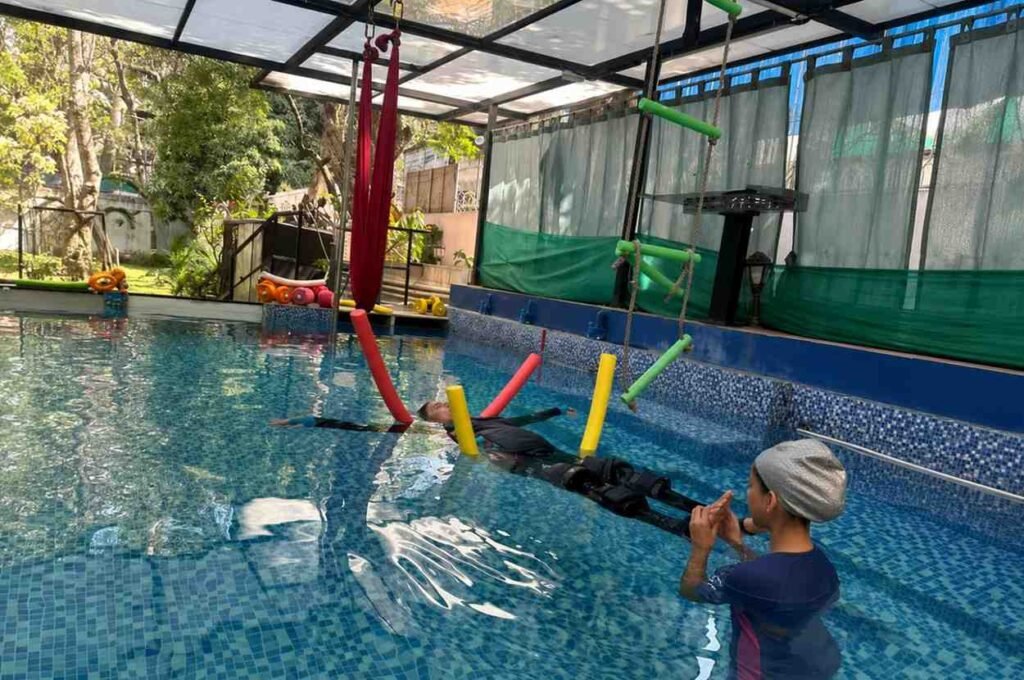
Aquatic Therapy is a specialized form of physiotherapy performed in a temperature-controlled pool under the supervision of a trained physiotherapist.

Unlike traditional exercises performed on land, water supports your body weight, reducing pressure on the joints and allowing you to move more freely.


Aquatic Therapy combines:

  • Strengthening exercises
  • Stretching techniques
  • Balance training
  • Functional rehabilitation
  • Sports recovery programs

It is especially beneficial for individuals who experience pain during regular exercise or require low-impact rehabilitation.

How Does Aquatic Therapy Work?

Water has four unique properties that make it ideal for rehabilitation:

1. Buoyancy

Water reduces the effects of gravity and supports up to 90% of your body weight, making movement easier.

2. Resistance

Water naturally creates resistance, helping improve muscle strength without heavy equipment.

3. Hydrostatic Pressure

This improves blood circulation and helps reduce swelling.

4. Warmth

Warm water relaxes muscles, reduces stiffness, and promotes flexibility.

These benefits make Aquatic Therapy Mumbai an excellent treatment option for people of all ages.

10 Conditions That Improve Faster with Water-Based Rehabilitation

1. Knee Pain

Aquatic Therapy helps reduce pressure on the knees while improving strength and flexibility.

2. Arthritis

Patients suffering from arthritis often benefit from Water Exercises for Arthritis, which improve mobility and reduce stiffness.

3. Post Knee Replacement Recovery

Hydrotherapy After Knee Replacement is widely recommended because it helps:

  • Improve range of motion
  • Reduce swelling
  • Accelerate recovery

4. Lower Back Pain

Water-based exercises strengthen core muscles and provide support to the spine, making them effective for managing chronic back pain.

5. Sports Injuries

Athletes recovering from:

  • ACL injuries
  • Muscle strains
  • Ligament tears
  • Ankle sprains

can return to activity gradually and safely through Aquatic Therapy.

6. Frozen Shoulder

Warm water helps relax muscles and improve shoulder movement, making daily tasks easier.

7. Obesity & Weight Management

People who find conventional exercise challenging can use Water Therapy to stay active without putting excessive strain on their joints.

8. Neurological Rehabilitation

Aquatic Physiotherapy is often used to support patients recovering from neurological conditions by improving balance, coordination, and mobility.

9. Hip Replacement Recovery

Water-based rehabilitation allows patients to rebuild strength and confidence after hip replacement surgery.

10. Senior Citizen Rehabilitation

Aquatic Therapy is ideal for older adults because it is low-impact, safe, and effective in maintaining mobility and independence.

Benefits of Aquatic Therapy

Some of the major benefits include:

  • Reduced pain
  • Improved flexibility
  • Faster recovery
  • Better balance and coordination
  • Increased muscle strength
  • Reduced stress on joints
  • Enhanced mobility
  • Improved confidence
  • Low-impact exercise
  • Suitable for all age groups

Is Aquatic Therapy Safe?

Yes, Aquatic Therapy is generally considered safe when performed under the supervision of a qualified physiotherapist.

However, treatment plans should always be personalized based on the patient’s condition, age, and medical history.

Who Should Avoid Aquatic Therapy?

Aquatic Therapy may not be suitable for individuals with:

  • Open wounds
  • Severe infections
  • Uncontrolled epilepsy
  • Certain heart conditions
  • Severe incontinence
  • Fever or contagious illnesses

It is always recommended to consult a healthcare professional before beginning any rehabilitation program.

Conclusion

Aquatic Therapy is a safe, effective, and scientifically backed treatment option for people looking to recover faster without placing additional stress on their bodies.

Whether you’re recovering from surgery, managing arthritis, or seeking relief from chronic pain, water-based rehabilitation can help you move better, feel better, and live better.

Book an appointment with Dr. Prachi Shah today and discover how Aquatic Therapy can help you recover faster and live pain-free.

Scroll to Top