
Five Common Causes of Lower Back Pain | Dr. Prachi Elementa
five-common-causes-of-lower-back-pain

Five Common Causes of Lower Back Pain and How Physiotherapy Can Help

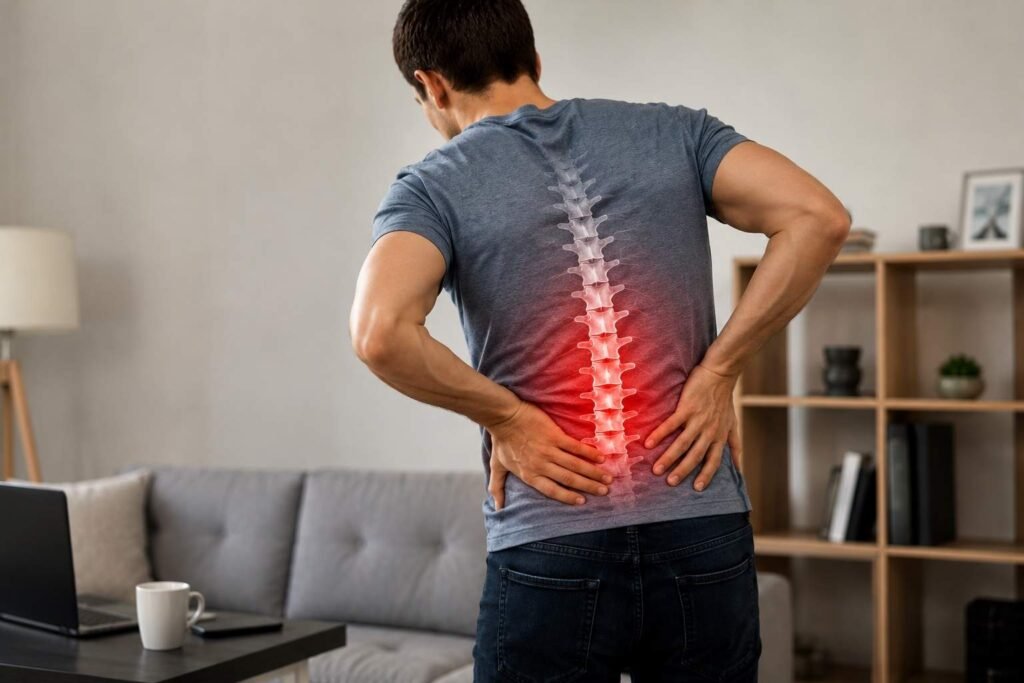
Lower back pain is one of the most common health problems affecting people today. Whether you are a corporate professional sitting for long hours, a homemaker managing household responsibilities, or an athlete pushing your limits, lower back pain can significantly affect your quality of life.

According to health experts, nearly 8 out of 10 people experience back pain at some point in their lives. Fortunately, early intervention and the right Back Pain Physiotherapy Treatment can help reduce pain, improve mobility, and prevent chronic issues.

At Dr. Prachi ELEMENTA Physiotherapy Centre, Mumbai, Dr. Prachi Shah has been helping patients recover from lower back pain through personalized physiotherapy, Hydrotherapy, and rehabilitation programs for over 18 years.

What Is Lower Back Pain?

Lower back pain refers to discomfort or stiffness in the lumbar region of the spine. It can range from mild soreness to severe pain that interferes with daily activities.

Modern lifestyles have contributed significantly to the rise in lower back pain due to:

  • Prolonged sitting
  • Poor posture
  • Lack of physical activity
  • Increased screen time
  • Stress
  • Sports injuries

Ignoring back pain can lead to long-term complications, making timely Lower Back Pain Treatment essential.

Five Common Causes of Lower Back Pain

poor-posture

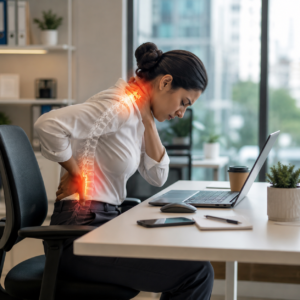
1. Poor Posture

Poor posture is one of the leading causes of lower back pain, especially among office workers.

Symptoms:

  • Dull ache in the lower back
  • Neck and shoulder stiffness
  • Fatigue after sitting


Risk Factors:

  • Sitting for prolonged periods
  • Poor workstation setup
  • Looking down at phones and laptops

Treatment Options:

  • Postural correction
  • Ergonomic modifications
  • Physiotherapy exercises

How Physiotherapy Helps:

Physiotherapy focuses on strengthening the core muscles and improving posture to reduce strain on the spine.
sedentary-lifestyle

2. Sedentary Lifestyle

Lack of movement weakens the muscles supporting the spine.

Symptoms:

  • Stiffness after waking up
  • Reduced flexibility
  • Chronic discomfort


Risk Factors:

  • Desk jobs
  • Limited physical activity
  • Obesity

Treatment Options:

  • Exercise programs
  • Stretching routines
  • Lifestyle modifications

How Physiotherapy Helps:

A personalized Back Pain Physiotherapy program helps restore mobility and improve overall strength.
muscle-strain

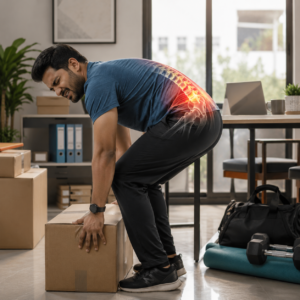
3. Muscle Strain

Lifting heavy objects incorrectly or sudden movements can strain the muscles and ligaments of the back.

Symptoms:

  • Sudden pain
  • Muscle spasms
  • Difficulty bending


Risk Factors:

  • Improper lifting techniques
  • Intense workouts
  • Poor conditioning

Treatment Options:

  • Rest
  • Ice therapy
  • Physiotherapy

How Physiotherapy Helps:

Manual therapy, stretching, and strengthening exercises can accelerate recovery and prevent recurrence.
slipped-disc

4. Slipped Disc

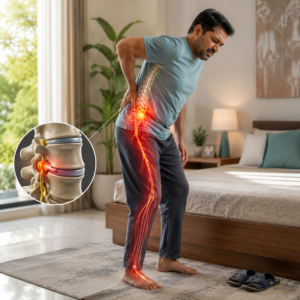
A slipped or herniated disc occurs when the cushioning discs between the vertebrae move out of position and press on nearby nerves.

Symptoms:

  • Pain radiating to the legs
  • Tingling or numbness
  • Weakness in the lower limbs


Risk Factors:

  • Aging
  • Poor posture
  • Repetitive stress

Treatment Options:

  • Conservative management
  • Rehabilitation
  • Surgery (in severe cases)

How Physiotherapy Helps:

Slipped Disc Physiotherapy focuses on reducing pressure on the affected nerve, improving movement, and strengthening the surrounding muscles.

sports-injuries

5. Sports Injuries

Athletes and fitness enthusiasts frequently experience lower back pain due to overuse or improper training techniques.

Symptoms:

  • Pain during movement
  • Reduced performance
  • Muscle tightness


Risk Factors:

  • Poor warm-up routines
  • Overtraining
  • Weak core muscles

Treatment Options:

  • Sports rehabilitation
  • Strength training
  • Recovery protocols

How Physiotherapy Helps:

Sports Physiotherapy addresses the root cause of pain and helps athletes safely return to their activities.

How Does Hydrotherapy Help Chronic Lower Back Pain?

Dr. Prachi Shah’s Hydrotherapy programs are designed to provide effective, low-impact rehabilitation for chronic lower back pain.

Hydrotherapy offers several benefits:

  • Reduced pressure on the spine
  • Improved mobility
  • Enhanced muscle activation
  • Better balance and coordination

Water resistance naturally strengthens the:

  • Abs
  • Back muscles
  • Glutes

Dr. Prachi’s Hydrotherapy sessions also incorporate neutral spine exercises and Aqua Dumbbells to improve core strength while minimizing stress on the joints.

Hydrotherapy is particularly beneficial because the buoyancy of water supports body weight, making movement easier and less painful.

When Should You See a Physiotherapist?

Consult a physiotherapist if you experience:

  • Persistent pain lasting more than two weeks
  • Numbness or tingling
  • Difficulty walking
  • Pain radiating down the legs
  • Frequent episodes of back pain
  • Reduced mobility

Early treatment can prevent minor issues from becoming chronic conditions.

Can Physiotherapy Help Avoid Surgery?

In many cases, yes.

Physiotherapy is a conservative treatment approach that focuses on:

  • Pain management
  • Strengthening
  • Rehabilitation
  • Improving posture
  • Preventing recurrence

Many patients with chronic back pain can avoid surgery through early intervention and consistent physiotherapy.

Conclusion

Lower back pain is common, but it doesn’t have to become a permanent part of your life. With timely diagnosis, expert guidance, and personalized physiotherapy, most people can recover and return to their daily activities.

Book an appointment with Dr. Prachi Shah today and begin your journey toward a stronger, healthier, and pain-free back.

Scroll to Top